


8 Things to Do in Wells-next-the-Sea in 2026

You're in Norwich, looking at the forecast, and wondering whether Wells-next-the-Sea is close enough for a quick coastal escape or deserves a full day by the sea. The best answer usually isn't trying to cram every attraction into one rushed outing. A better plan combines Wells harbour and beach with one focused addition, such as Holkham Hall, Walsingham, seal watching or a section of the Norfolk Coast Path.
This guide covers the most useful things to do in Wells-next-the-Sea, with practical choices around weather, tides, parking, transport, food and timing. You'll find coastal highlights first, followed by heritage, wildlife, walking, shops and waterfront dining, then straightforward half-day and full-day combinations from Norwich.
For visitors staying in the city, Stay Norwich Apartments provides furnished accommodation for short or longer stays, with self-catering kitchens, workspaces, fast Wi-Fi and a guest guidebook. That makes it easier to use Norwich as a base for a working visit, a temporary stay or a wider Norfolk trip without reorganising your plans around one hotel room.
Table of Contents
2. Visit Holkham Hall and Estate - How to combine Holkham with Wells
4. Visit Walsingham Shrine and Abbey Ruins - Who will enjoy Walsingham most
5. Seal Watching at Blakeney Point - Make the wildlife day comfortable
6. Walk the Norfolk Coast Path - Match the route to the conditions
7. Discover Wells-next-the-Sea High Street and Local Shops - Shop with a flexible plan
8. Experience Wells Quay Seafood and Waterfront Dining - Choose the right dining format
1. Explore Wells Harbour and Beach
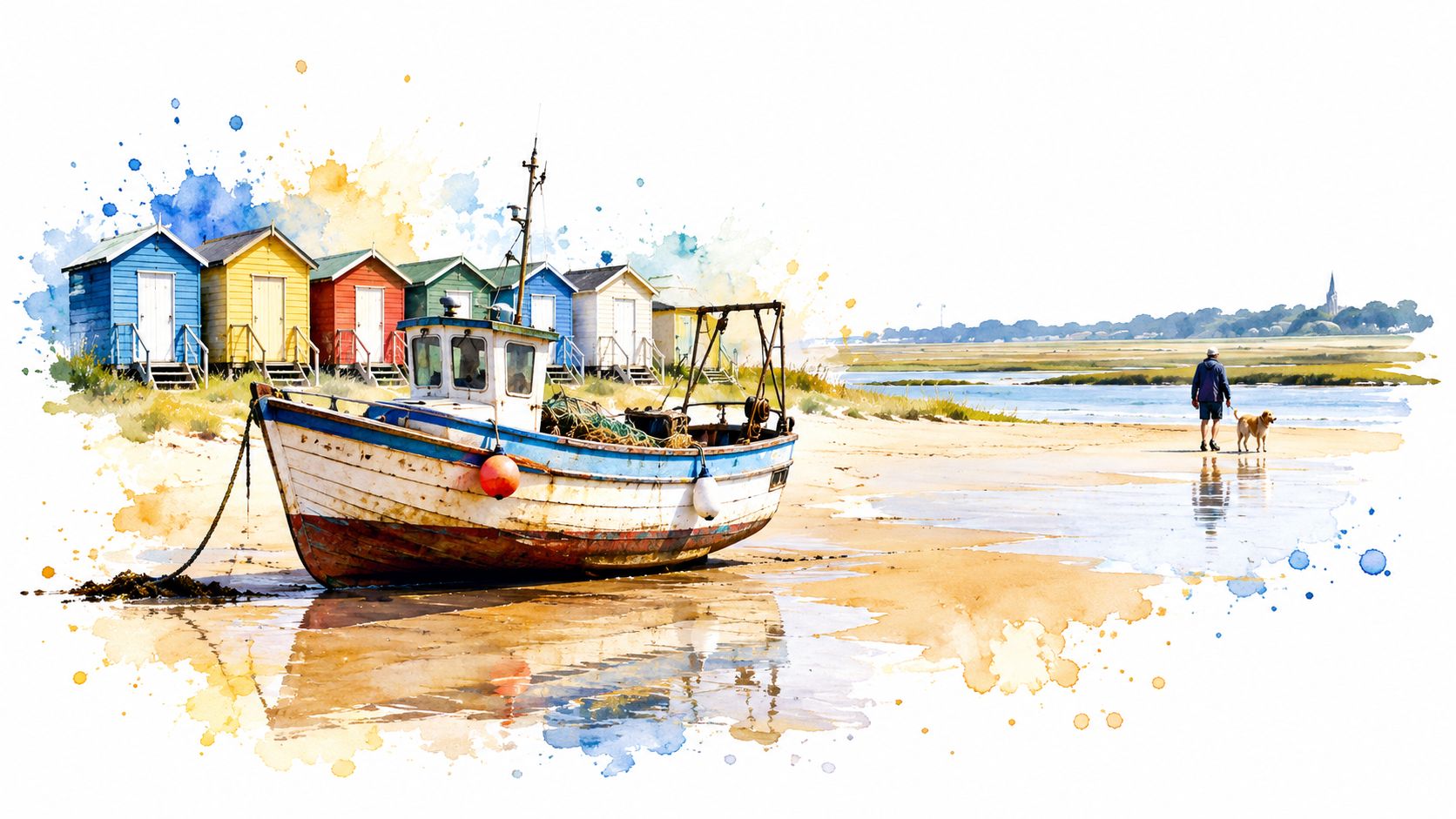
Wells harbour and beach give you the clearest introduction to the town. Start at the quay, where sailing and crabbing boats still use the water, then follow the route towards the beach for a change from working harbour to dunes, pine trees, sand and colourful beach huts.
The beach is described by Visit North Norfolk as an award-winning stretch of sand, and it received a Seaside Award in May 2017. That recognition signals a clean, safe, attractive and well-managed beach environment. It suits families with a picnic, couples wanting a coastal walk and photographers looking for a classic Norfolk coastline.
Practical rule: Check the tide before you set out. The shoreline changes considerably, and a beach visit planned around the water will feel more rewarding than arriving without knowing what conditions to expect.
Parking needs equal attention. Holkham's Beach Road car park charges £3.60 for up to 2 hours, £7.00 for up to 4 hours and £13.50 for all day. When it fills, visitors are diverted to Wells Town Car Park, about ¾ of a mile from the beach, with a bus option also available. Arriving early is the sensible choice on busy summer weekends.
Bring layers, even on a bright morning. Coastal wind can change how comfortable the beach feels, and a short harbour walk, beach visit and meal can easily become a half-day plan. For more local planning ideas, use this guide to Wells-next-the-Sea in Norfolk.
2. Visit Holkham Hall and Estate
Holkham Hall works best when you want to add history, architecture and scenic grounds to a coastal day. The house and estate offer a different pace from Wells beach, with interiors, collections, gardens and open walking routes that give you a useful bad-weather alternative when the beach is windy or wet.
The hall is an eighteenth-century Palladian country house set within a large estate. Visitors interested in art and history can focus on the house and collections, while families and photographers may prefer the gardens, parkland and architectural views. It's also a practical choice for business visitors who want a structured cultural outing rather than another informal walk.
Don't treat the estate as a quick stop if you want to explore it properly. Allow several hours for a meaningful visit, and check current opening arrangements, tours, exhibitions and family events before travelling. Guided tours can add useful context, but they make your day less flexible than combining a self-directed estate visit with Wells beach.
How to combine Holkham with Wells
A combined plan is straightforward if you decide which experience matters most. Choose the hall first when you want a heritage-led day, then use Wells harbour and beach as an outdoor finish. Reverse the order if the weather is already good and you want to protect your beach time before conditions change.
The estate's coastal setting also makes it easy to connect architecture with the natural environment. You can move from formal rooms and gardens to open views, then continue towards Wells for food. That combination suits couples, families with mixed interests and professionals taking a working break from Norwich.
A successful Holkham visit depends less on seeing every part of the estate than on choosing a clear emphasis, house, gardens, walking or coast.
For wider Norfolk planning, this Norfolk places to visit guide can help you build a longer itinerary. Check official details before setting off, particularly if your visit depends on a specific room, event or tour.

3. Explore the Norfolk Broads by Boat
A boat day on the Norfolk Broads is a poor fit for a rushed Wells visit, but it can work well as a separate full-day addition to a longer Norfolk stay. The waterways, reedbeds, wildlife and quiet shoreline routes offer a different view from the exposed coast.
Choose the format according to your confidence and priorities. A guided wildlife cruise removes navigation decisions and gives you interpretation along the way. Hiring a motorboat offers more independence, but you'll need to understand the route, allow time for manoeuvring and accept that the day becomes more about the water than Wells itself. Sailing adds atmosphere, while a shoreline walk is the simplest option if you don't want to commit to a boat.
Visitors interested in birds should bring binoculars and check wildlife-focused locations such as RSPB Upton Fen. Families may prefer a straightforward guided experience, while couples often value the slower pace of a quiet cruise. Book ahead in popular periods through an established operator, especially if your day depends on a particular departure.

If you're using Norwich as your base, decide whether you're planning a Broads day or a Wells day. Trying to add a boat hire after the beach usually creates unnecessary driving and leaves little room for weather delays. This Norfolk Broads map guide is useful when comparing routes and access points.
The Broads are strongest as a slower, nature-led experience. They're less suitable for a visitor whose priority is just to see Wells beach, walk the quay and eat by the harbour.
4. Visit Walsingham Shrine and Abbey Ruins
Walsingham adds spiritual history and medieval atmosphere to a Wells itinerary. It's 7 miles from Wells-next-the-Sea, so it's close enough for a combined outing, but substantial enough to deserve deliberate planning rather than a hurried detour.
The village is England's premier pilgrimage destination, with the Shrine of Our Lady and extensive abbey ruins. The ruins date to the 11th century, while the modern shrine remains an active place of worship. That combination makes Walsingham appealing to pilgrims, history enthusiasts, photographers and families exploring Norfolk's religious heritage.
Begin with the museum if you want context before walking around the ruins. It helps explain the development of the pilgrimage site and gives the archaeology more meaning. After that, allow time for the uneven ground and quieter spaces. Comfortable shoes matter more here than fashionable footwear.
Who will enjoy Walsingham most
Walsingham suits visitors who enjoy reflection, architecture and atmosphere rather than a rapid sequence of attractions. A mid-week visit can feel calmer, while checking the pilgrimage calendar is sensible if you want to understand the significance of a particular date or service.
Families can combine the site with a look around Walsingham village and a local meal. Researchers and heritage visitors may want longer for the museum, ruins and surrounding buildings. Photographers should allow time for changing light rather than treating the abbey as a quick picture stop.
A practical route from Wells can pair Walsingham with the harbour and High Street, but that makes the day more heritage-focused than beach-focused. If the beach is your main reason for visiting, check the tide and weather first, then decide whether Walsingham fits comfortably.
5. Seal Watching at Blakeney Point
Seal watching at Blakeney Point is one of the most distinctive wildlife experiences within reach of Wells. You can join a boat trip from the Blakeney area or approach by a longer coastal walk, then observe grey and harbour seals in their natural environment rather than in a managed attraction.
Boat trips are the easier choice for most first-time visitors. They reduce navigation demands and give you a direct wildlife-focused experience, although departures, weather and availability shape the day. A coastal walk provides more exercise and scenery, but it requires stronger planning around distance, footwear and conditions.
The area is managed by the National Trust, and seasonal changes affect what you see. The planning notes identify November to January as the main pupping season, so visitors specifically interested in seal activity may choose that period. Wildlife remains unpredictable, however, and responsible observation matters more than trying to force a close encounter.

Make the wildlife day comfortable
Book a reputable boat operator in advance if seal watching is the centrepiece of your visit. Bring binoculars, a camera with a zoom lens and several layers. Coastal conditions can feel much colder on the water than they did when you left Norwich.
The best seal trip is the one that protects the animals' space and gives you enough time to watch natural behaviour without treating wildlife like a performance.
Parking at Blakeney can become difficult on busy days, so arriving early is sensible. Add time for Blakeney village afterwards, where you can find food and drinks before returning to Wells or Norwich. For related Norfolk wildlife planning, see this guide to seeing seals in Norfolk.
This works particularly well for families, photographers and couples looking for something beyond the standard beach visit. It's less suitable when you have only a short window and no flexibility around a boat departure.
6. Walk the Norfolk Coast Path
The Norfolk Coast Path runs for 56 miles from Hunstanton to Great Yarmouth, with Wells-next-the-Sea providing access to several shorter and longer sections. The route gives you more variety than a simple beach stroll, including marshes, dunes, beaches, open views and traditional coastal settlements.
You don't need to commit to a long-distance challenge. A short section can work as a morning walk before lunch, while a stronger walking group can plan a full-day route with transport arranged at the other end. Families should choose a manageable distance and check the surface, since sand, paths, boardwalks and uneven ground demand different footwear.
Walking from Wells also helps you see how the town connects to its wider coastal surroundings. The harbour and beach feel like destinations when you arrive by car, but the path shows them as part of a larger working and natural coastline. Bird watchers and photographers will benefit from taking a slower pace and allowing stops.
Match the route to the conditions
Download a current section map before leaving and check whether your chosen stretch includes beach walking. Tide conditions matter whenever the route depends on accessible sand, and a route that looks simple on paper may become uncomfortable or impractical after weather changes.
Short outing: Choose a modest section, carry water and snacks, and leave time for Wells shops or lunch.
Longer walk: Arrange return transport before setting off, particularly if you're walking between villages.
Wet weather: Wear footwear that handles mud and sand, and carry a waterproof layer.
Wildlife-focused walk: Bring binoculars and avoid rushing through marsh and dune areas.
Spring can bring wildflowers, while autumn often offers clearer skies, but every coastal walk needs a weather check on the day. Multi-day walkers should book accommodation ahead and avoid assuming that the return journey will be easy without planning.
7. Discover Wells-next-the-Sea High Street and Local Shops
Wells High Street is the practical answer when the beach is windy, the tide doesn't suit your plans or you want a slower town-centre experience. Independent shops, galleries, antiques, cafés and traditional seaside businesses give the town a character that you won't get from visiting the beach car park and leaving immediately.
Allow a couple of hours if you want to browse properly. Collectors may find antiques and local crafts, while holidaymakers can look for useful souvenirs rather than generic gifts. Cafés are also valuable planning stops, especially if you want local recommendations about walks, events or places to eat.
The town works well for business travellers and contractors who have a free afternoon in Norfolk. You can walk, browse, take a coffee break and return to Norwich without committing to a weather-dependent beach session. Families may prefer to combine the High Street with the quay, since the route keeps different interests close together.
Shop with a flexible plan
Visit mid-week if you prefer a quieter experience, and check local notice boards for markets, exhibitions and community events. Opening hours can vary, particularly outside the main season, so don't build your entire itinerary around one independent shop without checking first.
Staithes Street and the surrounding streets are best explored on foot. Ask shopkeepers about local history and recommendations, but treat each suggestion as a starting point rather than a guarantee that a venue will suit your group. A café recommendation for a couple may not work for a family needing quick food and space.
Local planning habit: Use the High Street as your weather buffer. Keep it available as the flexible part of the day instead of fixing every hour around outdoor activities.
Finish with a harbour walk or a meal on the quay. That gives you a complete Wells experience even when the beach itself isn't comfortable.
8. Experience Wells Quay Seafood and Waterfront Dining
Food on Wells Quay works because it combines a working harbour with a choice of relaxed and more formal meals. You can choose fish and chips for speed, sit down for a longer seafood meal or stop for a drink while watching boats move through the waterfront.
Families and contractors often benefit from the casual option, particularly when everyone wants food without a long wait. Couples or business groups may prefer a booked table with harbour views. Food enthusiasts should ask what's available that day rather than assuming every menu reflects the same catch or sourcing.
Choose the right dining format
Book a restaurant in advance during busy periods, especially if you need a particular time or table. For a more flexible visit, choose a walk-up fish and chip venue and eat near the water, then continue with a harbour stroll.
Arriving in the early evening can make the experience less pressured than turning up at the busiest point. Outdoor seating can be enjoyable, but bring a layer because the waterfront breeze cools quickly. If you're unsure what to order, ask staff or fishmongers about daily recommendations and sourcing.
Fast meal: Choose takeaway fish and chips when your priority is efficiency.
Longer meal: Reserve a seated restaurant for conversation and harbour views.
Local focus: Ask about the day's fish and how it has been sourced.
Combined outing: Walk the quay before or after eating rather than treating lunch as the only Wells experience.
The harbour's history gives the meal extra context. North Norfolk's visitor information explains that Wells was a significant port by the eighteenth century and exported a third of England's malt to the continent. The same source records that more than 250,000 quarters were exported across the Channel from Wells and Great Yarmouth combined in 1750. Today, the quay still has sailing and crabbing boats, and the historic vessel Albatross, built in 1899 near Rotterdam, adds a visible maritime connection.
For wider food ideas across the county, see this guide to street food and cosmopolitan eateries in Norfolk.
Wells-next-the-Sea: 8-Point Activity Comparison
Item | Implementation complexity 🔄 | Resource requirements ⚡ | Expected outcomes 📊 | Ideal use cases ⭐ | Key advantages 💡 |
|---|---|---|---|---|---|
Explore Wells Harbour and Beach | Low, easy access, tide-dependent | Low, free entry; parking may be limited | Relaxation, coastal views, good photo ops 📊 ⭐⭐ | Families, photographers, short breaks | Free beach access; fresh local seafood nearby; tip: check tide times |
Visit Holkham Hall and Estate | Medium, timed tours and estate walking | Moderate, admission fee, allow 3–4 hrs ⚡ | Cultural education, gardens, architecture 📊 ⭐⭐⭐ | Art/history enthusiasts, families, event groups | World-class collections and vast grounds; tip: book guided tours |
Explore the Norfolk Broads by Boat | High, boat hire/navigation skills required 🔄 | High, hire costs (£100–400+/day), advance booking ⚡ | Immersive wildlife & waterways experience 📊 ⭐⭐⭐ | Couples, families, birdwatchers, active explorers | Unique wetland landscape and varied activities; tip: book guided trips & bring binoculars |
Visit Walsingham Shrine and Abbey Ruins | Medium, respectful, quieter pace advised | Low–moderate, small fees, allow 3–4 hrs ⚡ | Spiritual reflection and historical insight 📊 ⭐⭐ | Pilgrims, history scholars, contemplative visitors | Combines active shrine with medieval ruins; tip: visit mid-week and see the museum first |
Seal Watching at Blakeney Point | Medium, boat tour or 4‑mile walk; booking advised 🔄 | Low–moderate, tour cost (~£8–10), binoculars recommended ⚡ | Close wildlife observation and conservation support 📊 ⭐⭐⭐ | Wildlife photographers, families, nature lovers | One of UK's largest seal colonies; tip: book early and visit pupping season (Nov–Jan) |
Walk the Norfolk Coast Path | Medium, planning, tide awareness and fitness 🔄 | Low, free trail; transport/overnight costs for multi‑day ⚡ | Health benefits, varied coastal scenery 📊 ⭐⭐ | Hikers, birdwatchers, day walkers | Flexible sections with village services; tip: download section maps and check tides |
Discover Wells High Street and Local Shops | Low, walkable, casual exploration | Low, spending varies; some seasonal openings ⚡ | Local culture, artisan finds, dining options 📊 ⭐⭐ | Shoppers, foodies, casual visitors | Independent boutiques and authentic local products; tip: visit mid‑week for quieter experience |
Experience Wells Quay Seafood & Waterfront Dining | Low–Medium, reservations advised at peak | Low–moderate, prices reflect fresh catch; varied venues ⚡ | High-quality local dining with harbour views 📊 ⭐⭐⭐ | Couples, food enthusiasts, families, business meals | Fresh daily catch and waterfront atmosphere; tip: book ahead and ask for daily specials |
Turn the List into Your Norfolk Itinerary
The right Wells plan depends on how much time you have and whether the beach, heritage, wildlife or food matters most. A short visit shouldn't try to cover all eight activities. Choose one clear coastal anchor, then add one nearby experience that won't make the day feel like a sequence of car journeys.
For a half-day from Norwich, prioritise Wells harbour and the beach, then choose either the High Street or Quay dining. Check the tide before leaving, and aim to arrive early if you're visiting during a busy period. The beach car park is convenient, but once it fills, the alternative town parking and bus arrangement add time to the visit, so allow for that rather than treating parking as an afterthought.
A full day gives you more useful combinations. Holkham Hall with Wells beach creates a balanced architecture, countryside and coast itinerary. Seal watching with Blakeney village and a coastal walk gives you wildlife, food and exercise, but it needs more careful coordination around boat departures, weather, parking and walking conditions. Walsingham can replace either option when heritage and reflection matter more than open coast.
The Norfolk Broads deserve a separate decision. A boat trip is rewarding, but it's rarely sensible to force it into a Wells day unless you've checked the route and timings carefully. The same applies to longer sections of the Norfolk Coast Path. A focused walk is enjoyable, while an ambitious route without return transport can leave you spending the final part of the day solving logistics.
North Norfolk's tourism profile supports planning ahead. The Coastwise Survey analysis identifies Wells-next-the-Sea, Cromer and Sheringham as places respondents described as having “good” coastal qualities, while the area's peak summer season attracts over 10,000 holidaymakers. The same analysis records a 12% increase in overnight trips versus 3% across England, which makes book-ahead, off-peak and stay-and-explore planning more sensible than relying on a last-minute same-day visit. Read the North Norfolk Coastwise Survey analysis for the wider context.
Use this transport checklist before setting off:
Driving: Compare routes and allow extra time for parking, walking from alternative car parks and possible congestion.
Car journey: The supplied planning information describes the Norwich journey as approximately 30 minutes by car, but check live directions before travelling.
Train travel: Check current train connections from Norwich, because no specific timetable or journey duration is supplied here.
Onward transport: Confirm buses, taxis or walking routes between Wells, Holkham, Walsingham and Blakeney.
Opening times: Verify current access for Holkham Hall, museums, shops, restaurants and seasonal attractions.
Coastal conditions: Check tide times, weather and wind before committing to beach walks, boat trips or exposed sections of the Coast Path.
Advance bookings: Reserve seal trips, guided visits, restaurants and boat hire when they are central to your plan.
For visitors who need a Norwich base, Stay Norwich Apartments offers furnished accommodation for short or longer visits, with self-catering kitchens, workspaces, fast Wi-Fi and a guest guidebook. Check current availability and policies at Stay Norwich Apartments, since rates, access arrangements and terms may change.
Stay Norwich Apartments offers furnished, self-catering accommodation in Norwich with kitchens, workspaces, fast Wi-Fi and a guest guidebook for exploring Wells and the wider Norfolk coast. Use Stay Norwich Apartments to check current availability and choose a practical base for your next coastal day out.

Comments